
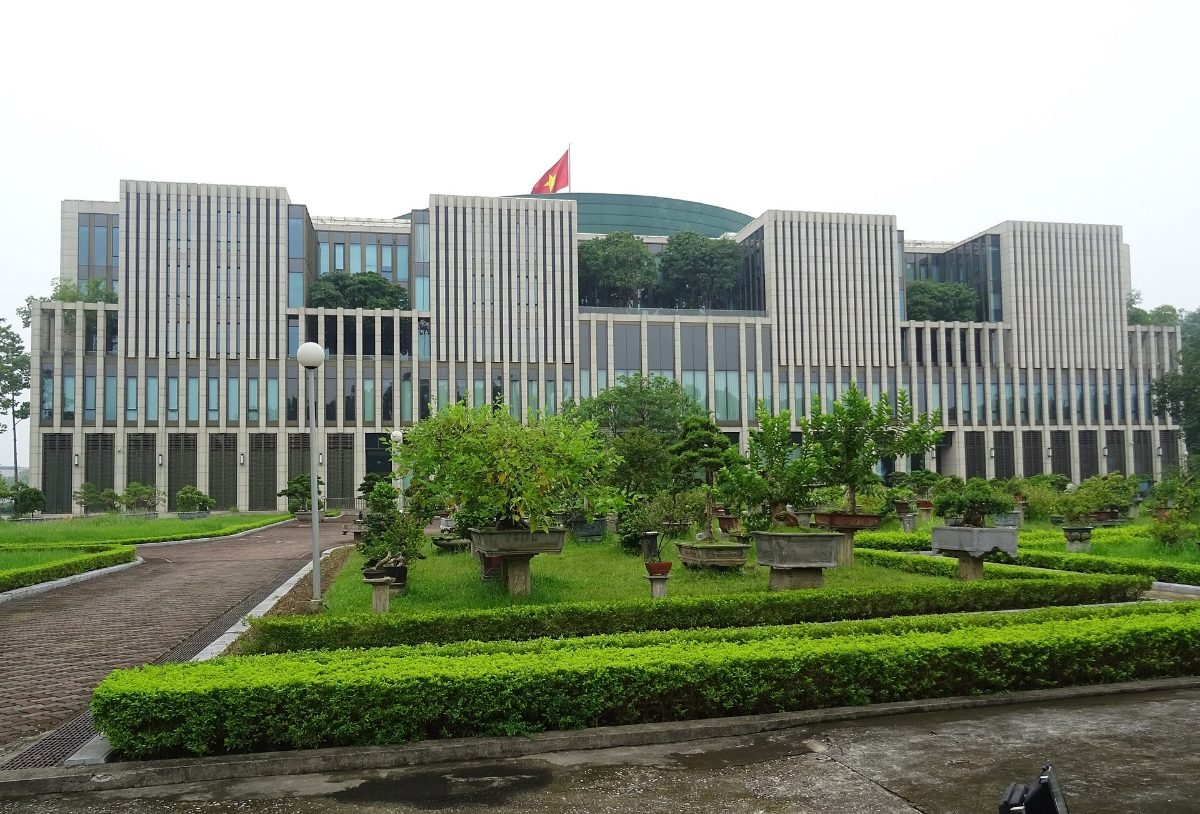
The 2nd session of Vietnam’s 16th National Assembly opened on 17 October 2026, and housing is near the top of the agenda. Over 28 working days – from 17 October to 14 November, then 20–21 November – lawmakers will consider 47 bills and resolutions, including revisions to the Housing Law, the Land Law and the Real Estate Business Law. Together, they could reshape how homes are classified, how idle land is handled and how projects are sold.
Session timeline
| Opening | 17 October 2026 |
|---|---|
| Phase 1 | 17 October – 14 November |
| Recess | 15 – 19 November (to revise drafts) |
| Phase 2 | 20 – 21 November (backup closing date 23 November) |
| Agenda | 47 bills and resolutions: 43 for adoption, 4 for comment |
1. Housing Law (amended): rental housing comes first
The biggest conceptual change is in the Housing Law. According to the draft summarised by VnExpress, housing would be divided into four categories: commercial, rental, official-duty and policy housing. Rental housing would be given priority, shifting policy from a focus on home ownership towards long-term renting.
The government also plans to study buying commercial homes to rent out at affordable prices, and to remove obstacles around land, procedures and funding for social housing. This fits with the Ministry of Construction’s work on land, tax and credit incentives for rental housing, which it aimed to submit for this session.
2. Land Law (amended): pressure on idle land
The draft Land Law targets developers who sit on land. Projects that leave land unused or fall behind schedule would pay fees that increase every year, and land still unused after 60 months could be reclaimed by the state (force majeure excluded). The bill also expands compensation and resettlement options: people partly affected by land acquisition could be resettled on their remaining land, and in urban or rural development projects, compensation could be paid in land or housing within the same project.
3. Real Estate Business Law (amended): simpler, more transparent
The revised Real Estate Business Law aims to simplify procedures, cut business licensing conditions and delegate more authority to local governments. It would also require more public disclosure about projects and properties offered for sale – an important point for buyers trying to check whether a project is legally ready to sell.
What about a tax on second homes?
A property tax on second homes has been widely discussed this year, but the session agenda as reported does not include a tax law on this topic. Any change to property taxation would come through a separate process, so buyers should not assume new taxes are imminent based on this session alone.
What it could mean for buyers, landlords and developers
- Renters: more priority and incentives for rental housing could, over time, increase the supply of affordable long-term rentals in big cities.
- Buyers: stronger disclosure rules should make it easier to verify a project’s legal status before paying a deposit.
- Land owners and developers: escalating fees and a 60-month reclaim deadline raise the cost of land banking and should push stalled projects to move or change hands.
- People affected by land acquisition: on-site resettlement and compensation in land or housing within the same project could reduce displacement.
Why this matters for Ho Chi Minh City
Ho Chi Minh City has a large pipeline of stalled projects, a target of more than 181,000 social and rental housing units for 2026–2030, and a supply mix dominated by high-end apartments. Rules that prioritise rental housing, penalise idle land and improve disclosure speak directly to those issues. Large plans such as the Binh Quoi – Thanh Da urban area also depend on compensation and resettlement frameworks like those in the Land Law.
What to watch next
- The final text of the Housing Law and how “rental housing” incentives are defined
- Whether the 60-month reclaim rule and fee schedule survive in the final Land Law
- The disclosure requirements in the Real Estate Business Law and when they take effect
- Implementing decrees, which usually determine how the laws work in practice
We will update our Market News section as the laws are voted on in November.
Frequently asked questions
When did the National Assembly session open?
The 2nd session of the 16th National Assembly opened on 17 October 2026. It runs until 14 November, with a second phase on 20–21 November.
Which property laws are on the agenda?
The amended Housing Law, the amended Land Law and the amended Real Estate Business Law.
What is the main change in the Housing Law?
Housing would be split into commercial, rental, official-duty and policy housing, with priority given to rental housing.
What happens to idle land under the draft Land Law?
Developers would pay annually increasing fees for unused land, and land still unused after 60 months could be reclaimed, excluding force majeure.
Is there a second-home tax in this session?
The reported agenda does not include a property tax law on second homes.
Leave a Reply