
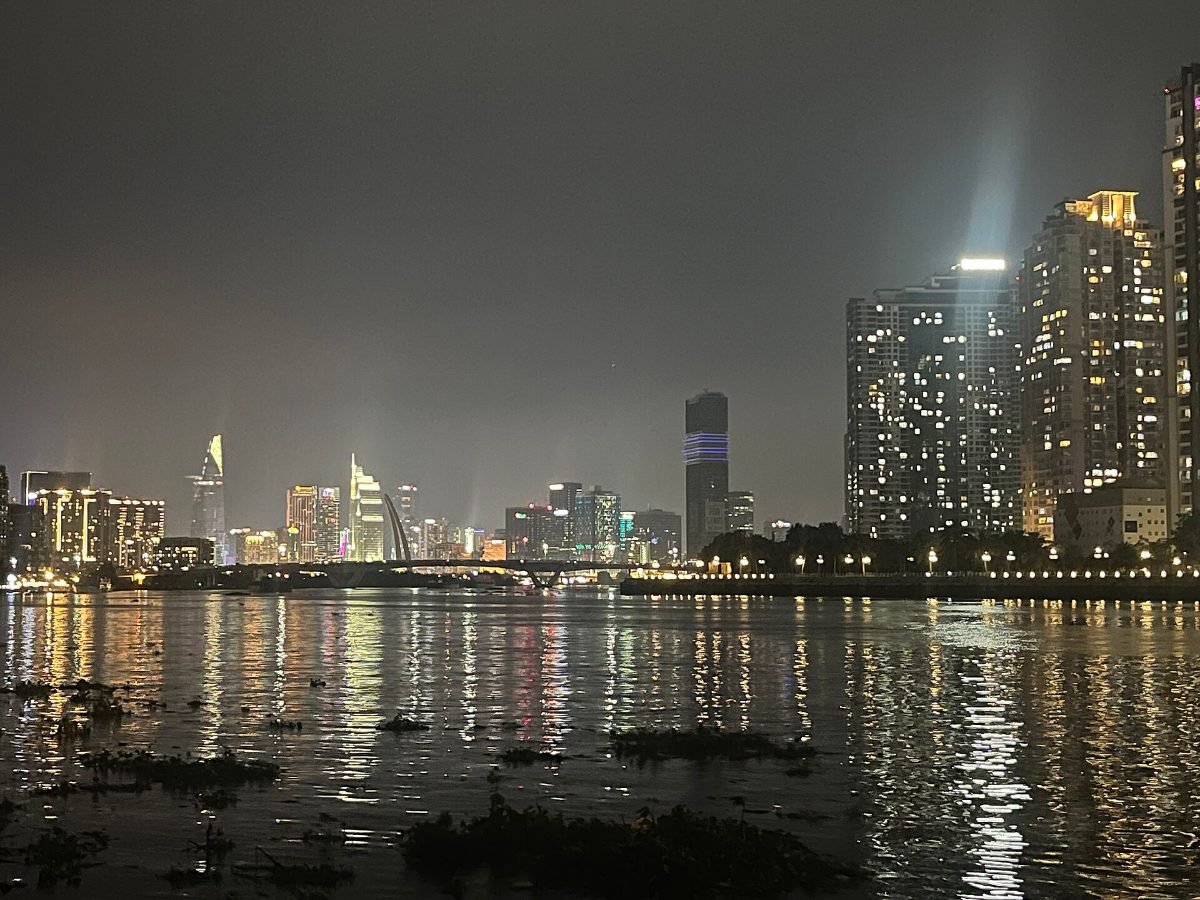
Vietnam’s unsold housing inventory is rising again. At a meeting of the Central Steering Committee on Housing Policy and the Real Estate Market on 13 October 2026, chaired by Permanent Deputy Prime Minister Pham Gia Tuc, the Ministry of Construction reported about 51,950 unsold homes and land plots at the end of Q3 2026 – up from the previous quarter. Transactions fell 8% quarter-on-quarter to about 92,000, and secondary prices for apartments and land edged slightly lower, although they remain far above what most households earn.
Key figures from the 13 October meeting
| Unsold inventory (Q3 2026) | ~51,950 homes and land plots, trending up |
|---|---|
| Data coverage | 27 of 34 provinces and cities |
| Successful transactions (Q3) | ~92,004, down 8% q-o-q |
| Projects tracked | 2,221 projects, ~VND 6.87 quadrillion (≈US$270 billion) |
| Outstanding real estate credit | ~VND 5.23 quadrillion at end-August, over 25% of total credit |
| Social housing completed (9M) | ~46,962 units, ~48% of the 2026 target |
| Rental housing completed (9M) | 8,314 units, ~48% of the annual plan |
Inventory: why it matters
The 51,950 figure only counts inventory reported by developers in 27 of the country’s 34 provinces and cities, so the real total is higher. It also does not capture the huge amount of capital stuck in unfinished projects. Earlier this year, the Ministry of Construction said about 4,500 projects nationwide were facing legal bottlenecks, with more than VND 3.3 quadrillion (about US$127 billion) tied up; over 1,000 had been unblocked by mid-2026.
Rising inventory alongside falling transactions points to the same problem seen in Ho Chi Minh City’s own data: new supply is improving as legal issues are resolved, but it is concentrated in segments that most buyers cannot afford.
Liquidity concentrated in “clean” projects
Officials noted that liquidity remains low and is concentrated in projects with complete legal documents and good locations. That pattern is consistent with Savills’ Q3 data for Ho Chi Minh City, where only about 25% of primary apartment supply was absorbed. For buyers, the message is clear: legal clarity is no longer a “nice to have” – it is what the market is paying for.
Prices: slight easing, still high
Secondary-market prices for apartments and land eased slightly compared with Q2 2026, according to the meeting report, but remain high in major urban centres. New-launch prices in big cities have kept rising because most new supply is mid-high end or luxury. The result is a widening gap between older and newer homes, and growing pressure on secondary sellers who bought at the peak.
Credit: a quarter of the economy’s lending
Real estate credit reached about VND 5.23 quadrillion (around US$206 billion) at the end of August – more than a quarter of all credit in the economy. Together with rising mortgage costs, that explains why policymakers are cautious about loosening further and why banks are focusing on projects with strong legal files. In October, many banks are offering preferential mortgage rates of roughly 8–11% for the first one to five years, but floating rates afterwards are much higher.
Social and rental housing: halfway to target
About 46,962 social housing units were completed in the first nine months, roughly 48% of the 2026 target of more than 97,000. Rental housing reached 8,314 units, also around 48% of plan. The government is pushing both segments hard, and the National Assembly session that opened on 17 October is expected to consider a revised Housing Law that gives rental housing much greater priority.
What this means for the market
- For home buyers: rising inventory and falling transactions strengthen your negotiating position, especially in projects that are slow to sell. Focus on legal status and total financing cost.
- For investors: the days of buying anything and waiting for prices to rise are over. Returns will depend on location, legal clarity and buying at a sensible price.
- For developers: pricing to real demand – and launching products in the price range most households can afford – is what is selling.
How Ho Chi Minh City fits in
Ho Chi Minh City reflects the national trend. New launches are concentrated in the east (Thu Duc, Thu Thiem) and the northern belt of former Binh Duong, with prices that have risen faster than incomes. Projects with strong developers and clear legal files – such as Gladia Heights and Eaton Park – have sold well, while others are moving slowly. You can browse current projects in our projects directory.
Frequently asked questions
How much unsold housing inventory does Vietnam have?
About 51,950 homes and land plots at the end of Q3 2026, based on data from 27 of 34 provinces and cities, and trending up.
How many property transactions were there in Q3 2026?
About 92,004 successful transactions nationwide, down 8% from Q2 2026.
Are property prices in Vietnam falling?
Secondary apartment and land prices eased slightly in Q3 2026 but remain high in major cities. New-launch prices have continued to rise.
How large is real estate credit in Vietnam?
About VND 5.23 quadrillion at the end of August 2026, more than 25% of total credit in the economy.
How much social housing has been completed in 2026?
About 46,962 units in the first nine months, roughly 48% of the 2026 target.
Leave a Reply